
What Is Cloud Matcha? Flavors, History & Where to Try It in Celina
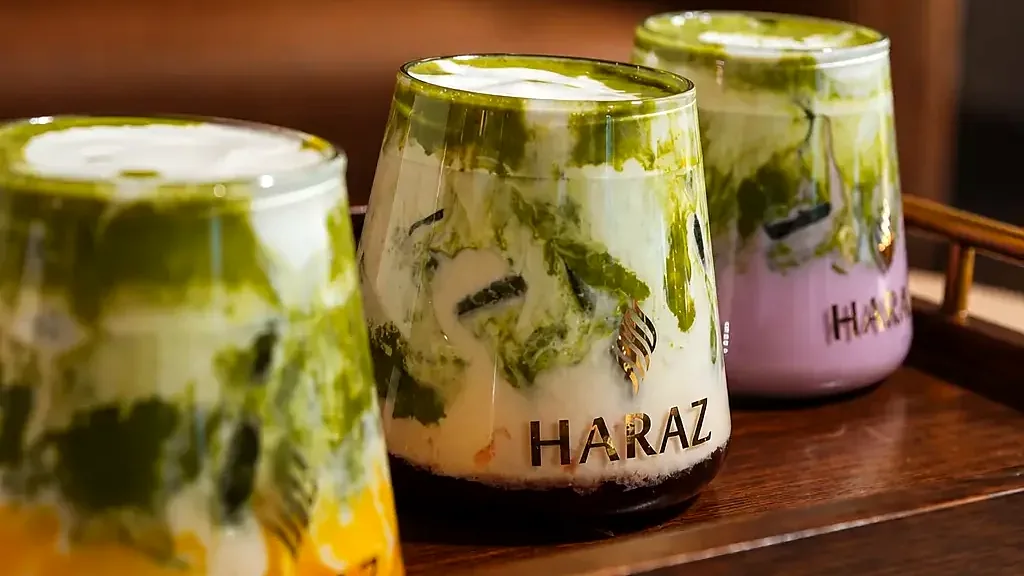
If you've typed "what is cloud matcha" or "matcha latte near me" into your phone somewhere between Celina and Prosper, you're in the right place. Matcha has become one of the most loved drinks in cafés across Texas and the rest of the country, and at Haraz Coffee House Celina it shows up on the menu in two ways: the 20 oz Cloud Matcha, with nine flavors to choose from, and the 16 oz Matcha Latte.
Before you pick a flavor, here's a closer look at what matcha actually is, where it comes from, and how a centuries-old green tea became a modern café favorite.
What is matcha?
Matcha is a finely ground powder made from shade-grown green tea leaves. Shading the tea plants in the weeks before harvest is what gives matcha its famously bright, almost electric green color and its deep, savory "umami" taste. Instead of steeping leaves and throwing them away, you drink the whole powdered leaf, traditionally whisked into hot water until it turns smooth and frothy.
Under international and Japanese standards, true matcha is made from tea plants grown in the shade, steamed and dried without being rolled, and then ground into a fine powder. The leaves at that in-between stage have their own name: tencha.
A short history of matcha
From China's Song dynasty to Japan
Powdered tea didn't start in Japan. During China's Song dynasty, tea leaves were ground into a fine powder and whisked with hot water. That method traveled to Japan with Zen Buddhist monks, and the monk Eisai is credited with bringing it there around 1191.
Over the following centuries the practice faded in China but kept growing in Japan. In the sixteenth century, Japanese tea farmers developed the shading techniques used to grow tencha, which gave matcha the vivid color and rich, mellow flavor it is known for today.
The Japanese tea ceremony
Matcha sits at the heart of the traditional Japanese tea ceremony, known as chanoyu or chadō, "the way of tea." Every movement, from whisking the powder to passing the bowl, is slow and deliberate. That sense of calm and care is a big part of why matcha still feels a little special, even when it arrives in a tall café cup.
How the matcha latte took off
Matcha also found its way into everyday Japanese treats, from green tea ice cream to wagashi sweets. Outside Japan, it first reached the U.S. through Japanese grocery stores in cities like Los Angeles and San Francisco, and it began gaining real traction in the early 2000s. North American cafés introduced green tea lattes and other matcha drinks, and the matcha latte, matcha whisked with milk, became a menu staple. Today matcha turns up in lattes, iced drinks, shakes and smoothies around the world.
Cloud Matcha at Haraz Coffee House Celina
Our Cloud Matcha is a 20 oz drink, and you choose the flavor. Here's the lineup exactly as it reads on our menu:
- Mango
- Strawberry
- Vanilla
- Banana
- Lavender
- Coconut
- Peach
- Lotus
- Matcha
That's a lot of ways to enjoy one green tea. Bright fruit flavors like mango, strawberry and peach sit alongside softer, cozier choices like vanilla, coconut and lotus, and lavender adds a floral note. If you want matcha on its own terms, the Matcha flavor keeps the spotlight on the tea itself. Alternative milk is available too; just ask when you order.
Matcha Latte
Prefer something simpler and warm in the hands? The Matcha Latte is a 16 oz drink on our Espresso Bar menu.
Matcha Latte. Matcha · Haraz Spice · Honey · Milk.
It's a gentle way to try matcha if you're used to coffee drinks, and a nice middle ground between a classic latte and a cup of green tea.
What does matcha taste like?
Good matcha is often described as fresh, grassy and gently sweet, with a savory umami depth and a light, pleasant bitterness at the finish. Milk softens those green notes into something creamy and mellow, and a flavor like vanilla or coconut rounds it out even more. Fruit flavors tend to make it brighter and more playful.
People reach for matcha at all hours: as a morning alternative to coffee, an afternoon pick-me-up, or a lighter treat after dinner. It pairs nicely with pastries and sweets, and its fresh, clean character makes it an easy match for fruit.
Cloud Matcha FAQ
What is Cloud Matcha?
At Haraz Coffee House Celina, Cloud Matcha is a 20 oz matcha drink offered in nine flavors: Mango, Strawberry, Vanilla, Banana, Lavender, Coconut, Peach, Lotus and Matcha.
What does Cloud Matcha taste like?
It starts with matcha's fresh, grassy, slightly sweet green-tea character, and the flavor you choose shapes the rest, from bright and fruity to soft and creamy.
Does matcha have caffeine?
Yes. Matcha is made from green tea leaves, so it naturally contains caffeine. Because you drink the whole powdered leaf, many people find it a satisfying alternative to coffee.
Where can I get a matcha latte near Celina or Prosper, TX?
Haraz Coffee House Celina at 2720 W Frontier Pkwy #100 in Prosper serves both the Cloud Matcha and the Matcha Latte, seven days a week.
Keep exploring the menu
If matcha is your thing, you might also enjoy a spiced tea. Read what Adeni / Karak Chai is, or browse the menu for more drinks.
Visit us
Haraz Coffee House Celina is at 2720 W Frontier Pkwy #100, Prosper, TX 75078, serving Celina and Prosper.
We're open Monday through Friday, 8 AM to 10 PM, and Saturday and Sunday, 9 AM to 10 PM.
Phone: (469) 481-6191. Instagram: @hrzcoffeehouse.celina.
Related stories

What Is Adeni / Karak Chai? History, Taste & Where to Try It in Prosper
What is Adeni / Karak Chai? Explore its roots in Aden and the Gulf, how it tastes, and where to get karak chai in Prosper and Celina, TX.
Share this story
These open a share window or copy the link. Nothing is posted until you send it.
Share on XShare on FacebookEmail